I’ve observed an interesting pattern in my life and behaviour.
I am prone to obsessing over insignificant details of something, then identifying what I believe would be the ideal set of these details and committing to believing that is what I need.
Let’s take car purchases as the first example.
I want to focus on a single car purchase, although this exact behaviour has happened multiple times before.
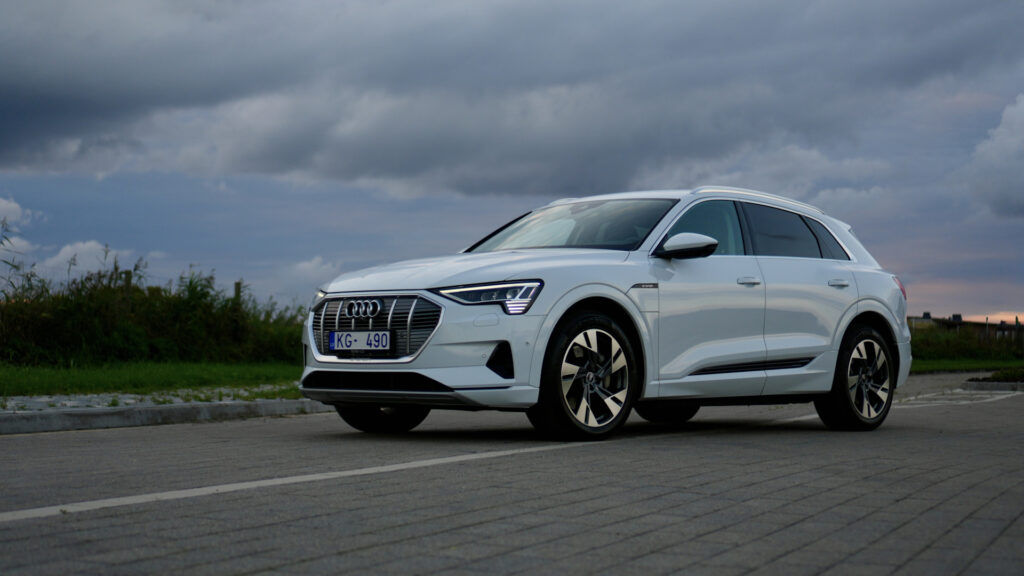
I owned the Audi e-tron and was basically in love with that car. It was comfortable, fast enough, and I loved the styling of it.
However, due to my frequent car changes, my wife asked me to promise that I wouldn’t install a charger at home. So when winter came and public chargers became a regular pain point, I was done and wanted out of the EV world.
I spent a couple of weeks looking at different cars and identifying what I wanted: I wanted to stick with Audi because I love that interior style. I wanted a touring car because I wanted a large boot to carry my son’s stuff. I wanted something sporty yet economical, durable, and something we could go on long road trips in comfortably.
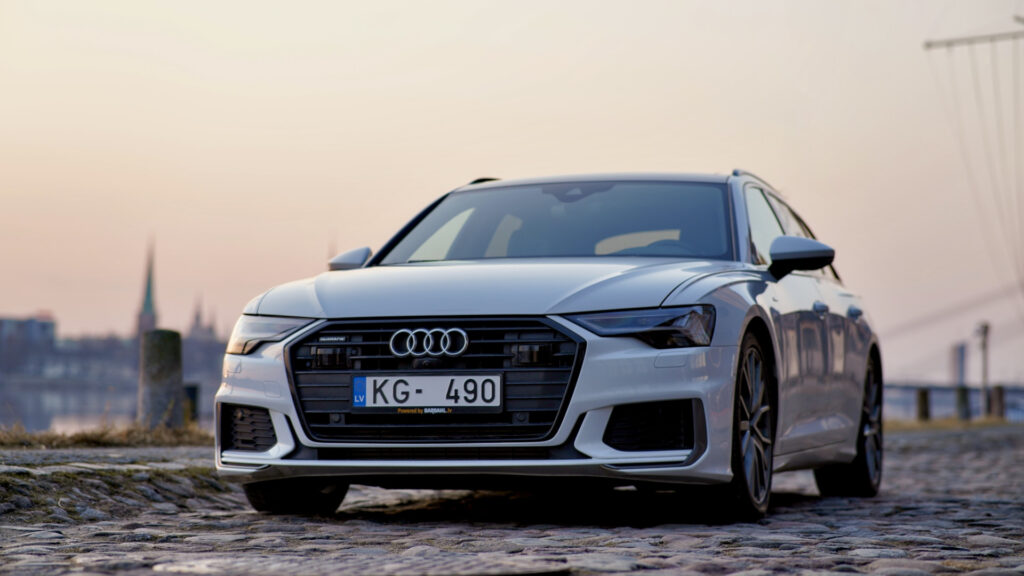
The 3.0 TDI Audi A6 looked like it checked all the boxes.
I found one that I loved the look of and got it.
Within days, I felt like I had made a huge mistake.
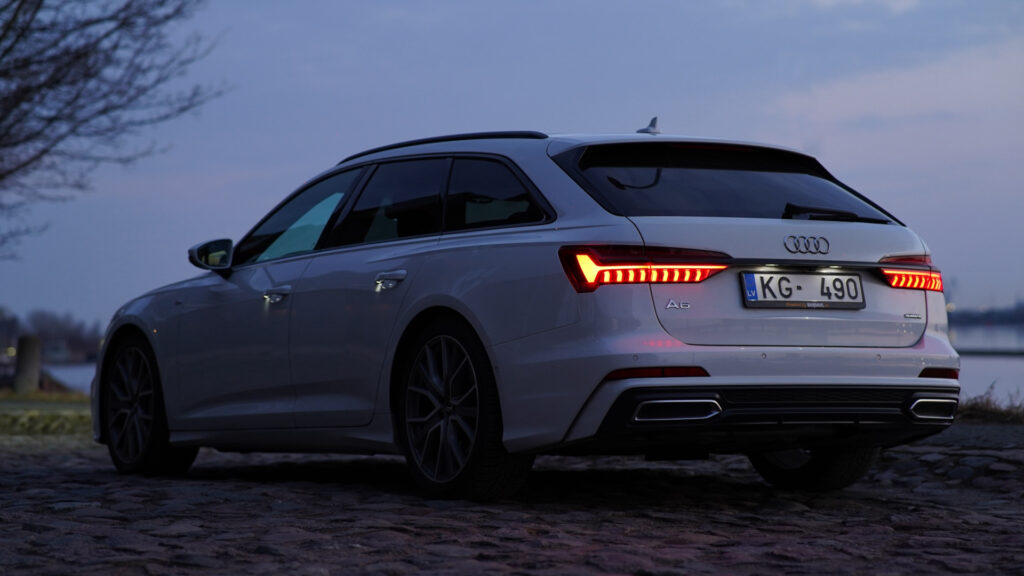
After being used to the responsiveness of the e-tron EV, the 2–3 second delay between pressing the gas pedal and the car giving me some acceleration felt unacceptable. My wife complained about sitting in the back — the seats were hard and uncomfortable, so there went our long road trips. The DPF system fed my anxiety because most of my trips to work are under 10 minutes and the car never gets the chance to properly warm up.
Let’s take photo cameras as the second example.
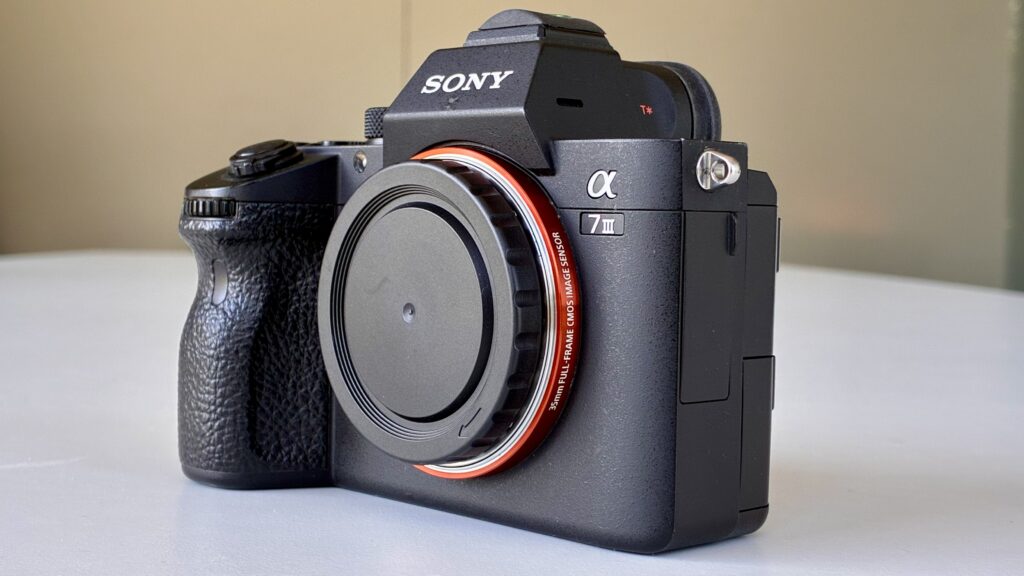
I used to own a Sony A7III. I bought it used on a whim because I saw a good deal. I loved that camera. It felt sturdy, it had marks and scratches on it already, so I wasn’t afraid of adding to them. I used it regularly.
Then I had a chance to buy something better.
I researched the market and decided I wanted an A7CII. Superior autofocus, smaller package, newer tech… What’s not to love?
So I bought it.
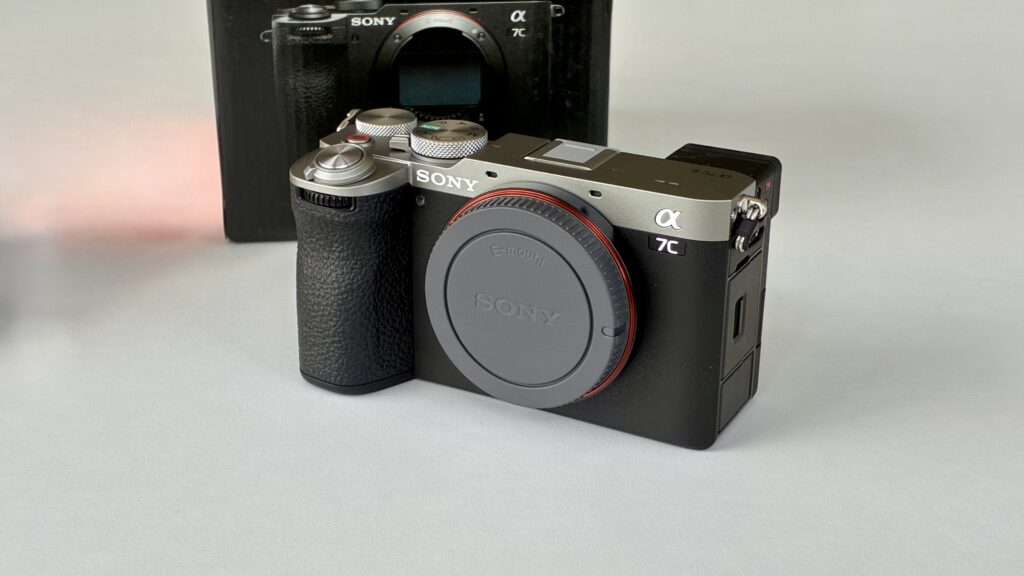
In about half a year of owning it, I took around 20 shots.
It was too small for my large hands, felt uncomfortable, and the fear of scratching something brand new made me think twice before deciding whether to pull it out of the camera bag. So I never did.
Yet looking back throughout the years, the cars I have loved and enjoyed the most were almost like my initial Sony A7III purchase.
Flukes.
I bought them on a whim, without proper thought or consideration.
It almost feels like the more thought I put into some idea, the worse that idea becomes.
But maybe that’s not quite the right conclusion.
Thinking isn’t the problem. In many cases, thinking is exactly what you should do. Researching a car before spending a significant amount of money on it is obviously better than blindly buying one.
Maybe the problem is knowing when to stop.
At some point, research stops being about making a good decision and starts being about trying to eliminate the possibility of making a bad one.
There will always be a better car. A better camera. A better version of whatever it is I’m looking at. There will always be some detail I didn’t consider, some alternative I could have chosen, some compromise I could have avoided.
My A7III didn’t have to compete with anything. I bought it, accepted what it was, and used it.
The A7CII had to compete with an imaginary camera that existed only in my head — one with all the features I wanted, none of the compromises, and no scratches.
Maybe a good decision isn’t necessarily the decision that produces the best possible thing.
Maybe it’s the decision that is good enough that I can stop thinking about it and start living with it.
I think that’s probably something I need to get better at.